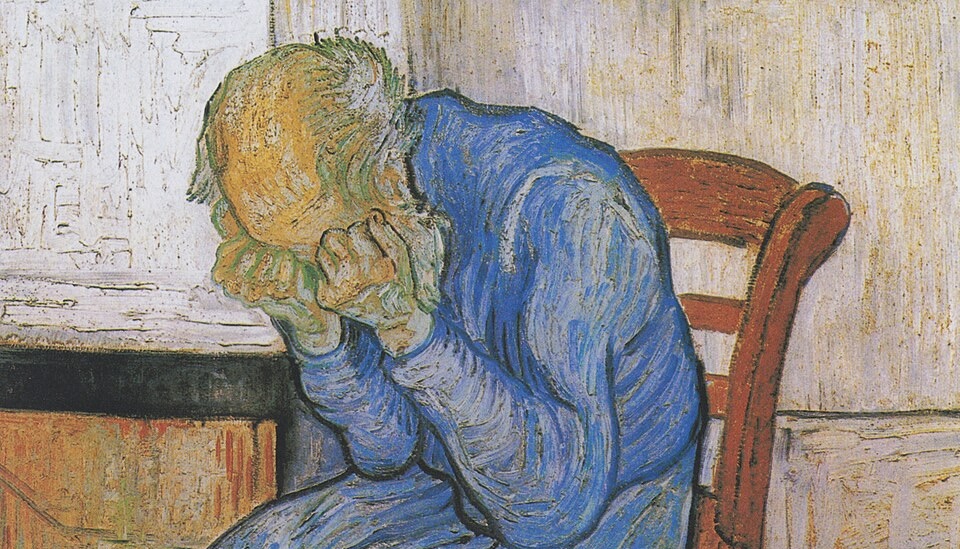
Shaming your customers rarely ends well…
Your brand could be the hottest new thing on the block, or it could be an established player in a crowded market. Your product is exceptional. Your operations are smooth. The coffee in your office is out of this world – real rocket fuel.
But your content, to put it mildly, is a bit of a mess.
Without the proper governance and a culture of continuous improvement in place, the perception outside your four walls will be one of an old-school TV screen filled with static. There’s a picture there, somewhere – behind the noise – but it’s almost impossible to make out. People don’t know what you’re about, they’re confused about your product, and they sure as hell don’t trust you.
No one’s saying you don’t start with the best of intentions. You recently had a brand refresh in which you ran tone-of-voice clinics with slick external consultants. Everyone’s thrilled about the shiny new direction. But the overwhelming sense is that you’ve reached a destination rather than setting off in a new direction.
Your audience doesn’t stay static. You need to keep up with them and adjust your approach to meet them where they are.
This is where good content governance is vital. By setting up a realistic framework, regular touchpoints, and the ability to make data-driven strategic decisions about your content, you can stay ahead of the curve, continue to appeal to your customer base, and even expand your market.
How it can go wrong
Monzo is a great banking app with good name recognition and a focus on ease of use, and its general vibe is one of a challenger to fusty old establishment banks. With its target audience of ‘90s children who came of age during the 2008 financial crisis, that appeals. You want to back the brand against ‘the man’.
Part of their success is due to their inclusive, ‘warm humour’ tone of voice. This makes sense; they write that they want to ‘make people feel part of the joke, not the target of it’. It’s them and their customers against the world, right? Sounds good.
How could it be, then, that the bank found itself being accused of shaming its customers?
Monzo uses the data it collects on customers via their transactions to present an end-of-year summary similar to Spotify Wrapped. Leaving aside the fact that this is a trend that brands feel like they have to jump on (see Apple Music and Nintendo), already putting them on the back foot, concerns over privacy and data retention, and the whole thing just feeling a bit creepy – the tone around any such initiative has to match how you already speak to your customers.

Monzo violated its ‘part of the joke, not the butt of it’ rule, leaving it exposed when telling those recovering from eating disorders that they’re fast-food junkies. The Guardian reported that one such customer is pursuing the bank through the ombudsman, which, to say the least, isn’t a great look.
I’d venture there was a failure of content governance here. The producers behind the ‘year in review’ things weren’t bought into the tone of voice principles Monzo espouses, the sign-off process was dysfunctional (or the right people weren’t doing the sign-off), and after the backlash, there was a predictable scramble that ended in a duff legalistic response that Monzo ‘didn’t find evidence’ to support a complaint. Once the dust settled, that response evolved into a humiliating mea culpa:
It was never our intention to cause upset here, and we’re really sorry this happened.
While Year in Monzo is designed to be an entertaining recap of people’s spending and is positively received by millions of our customers, it’s completely optional, and individuals can choose to opt out of receiving theirs if they prefer.
Not so funny. Not so warm.
A better way
Keep the circle of trust small
Not everyone in your business has a good sense for what to say to your customers (or when). Work out who does, and if you’re not sure, hire someone. They’ll pay for themselves.
Once you’ve got your expert or experts in place, empower them to express that expertise and push back on admirably overexcited but ultimately misguided colleagues who want to get a message out. Having real experts means you can move at speed but, crucially, in the right direction. They’ll understand the brand voice – and they won’t break it.
Ensure everyone’s reading from the same hymn sheet
Enable your experts to build a functional and effective content planner. This requires time and investment to integrate the unique needs of your brand into the way the planner works – take courage and stay the course.
Ensure that named people – not teams – are responsible for keeping the planner up to date, and use it as the basis for discussion in content strategy meetings. Don’t let those meetings be dominated by presentations on data; use them to actually make decisions. They’re pivot points.
Too many brands use Excel to do this. Excel is for numbers; creatives need to use creative software. Asking creatively oriented people to engage with Excel doesn’t end well. The gold standard for word processing is Word. Adobe Creative Cloud is so expensive for a reason: it’s critical to many creative workflows.
Use a fit-for-purpose software solution for your content planning. Monday.com is great – establishing content calendars is one of its key use cases, and its ease of use means adoption is less of a grind. The absolutely key thing is that it’s one source of truth; it minimises confusion by being the specific place where content is planned and managed. I hear great things about Asana, too.
KISS (keep it simple, stupid)
Don’t flood the zone with too much content. Many people are afraid of silence – in conversation, alone at home, and in corporate comms. Be different: lean into it. The spaces in between your content drops enable your audience to breathe, digest, and start hankering for their next hit.
Move with speed, not haste. Use the framework your experts have set up to establish decision trees that enable easy assessment of whether content actually works. Does it fit the brand guidelines? No: immediate pass. Does it fit the brand guidelines but contradict something that’s coming out in two weeks? Maybe: revisit the messaging. Make sure that colleagues are aware of the thought going into your comms. Celebrate your successes and learn from your mistakes. Improve, improve, improve.
… but not too simple
If you’re already funding creative and spending valuable brain power strategizing about your content, maybe it seems too onerous to set up an entire content operations system too. Isn’t this violating the KISS rule?
You can’t skimp on this. Content operations and governance are the key part of the whole thing – as important as the foundations of a house, or the hearty Italian bread around a meatball sub. Without them, all you’ll have is a hot, uncontained mess. And who wants that?

